
On a name
Most people who’ve heard my name spell it Reuben Bale, sometimes Rueben Bale when the second vowel slips. They’re right about the sound. Bijl rhymes with bale — like a hay bale — but the spelling came over from the Netherlands and never quite caught up to the way English ears hear it.
What follows is a short note about where the name comes from, what it means, and how it came to sound the way it does.
IWhat Bijl means
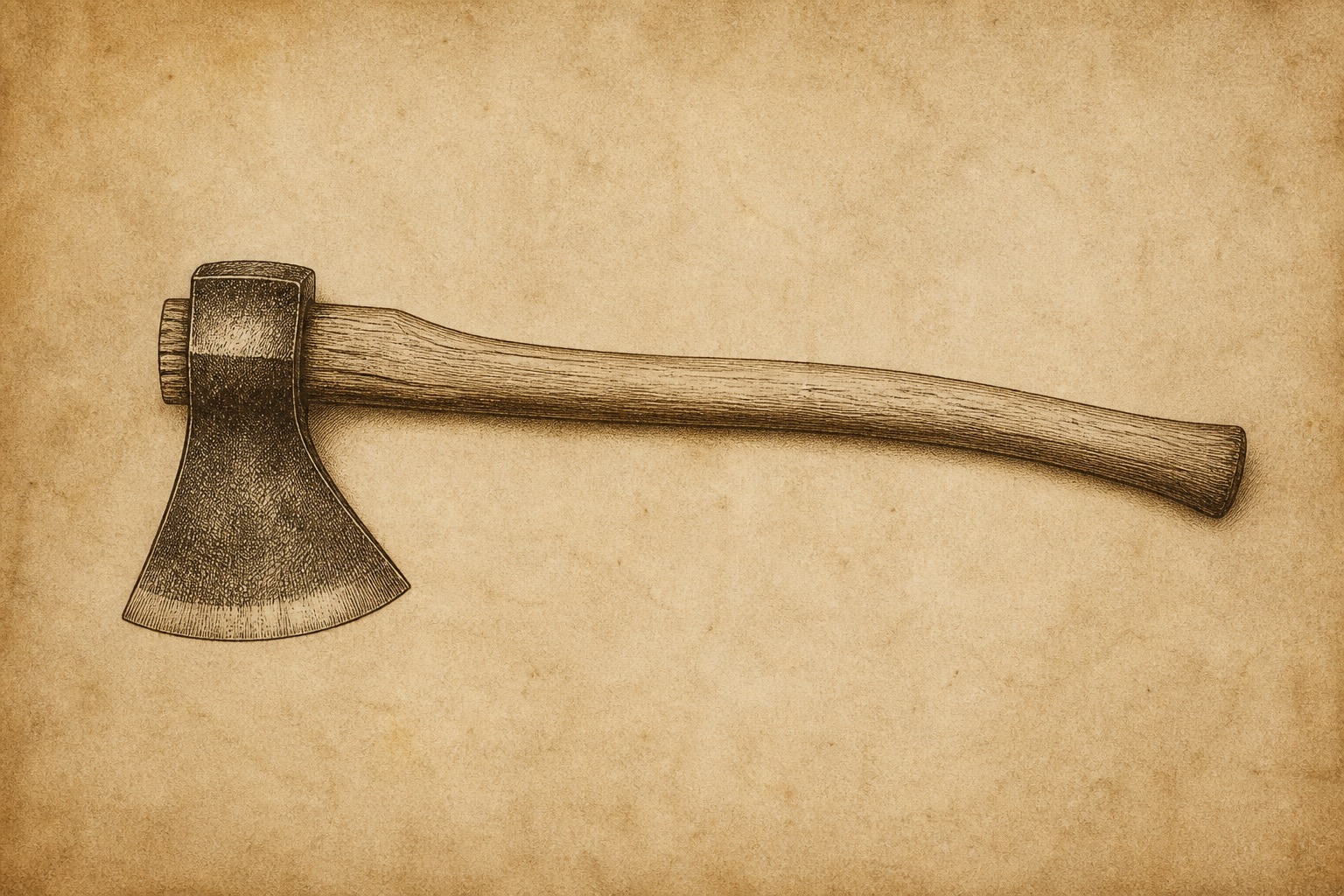
In Dutch, a bijl is an axe. A hatchet. The kind of plain, working word a language gives to a tool it has needed for a very long time. As a surname, it most likely belonged to someone who made axes, used them for a living, or lived close enough to the trade that the name attached itself and stayed.
Or it might have been something else entirely — a nickname, a feature of the man, a household. Names attach for reasons that don’t always survive the centuries between them and now.
IIWhere the name comes from
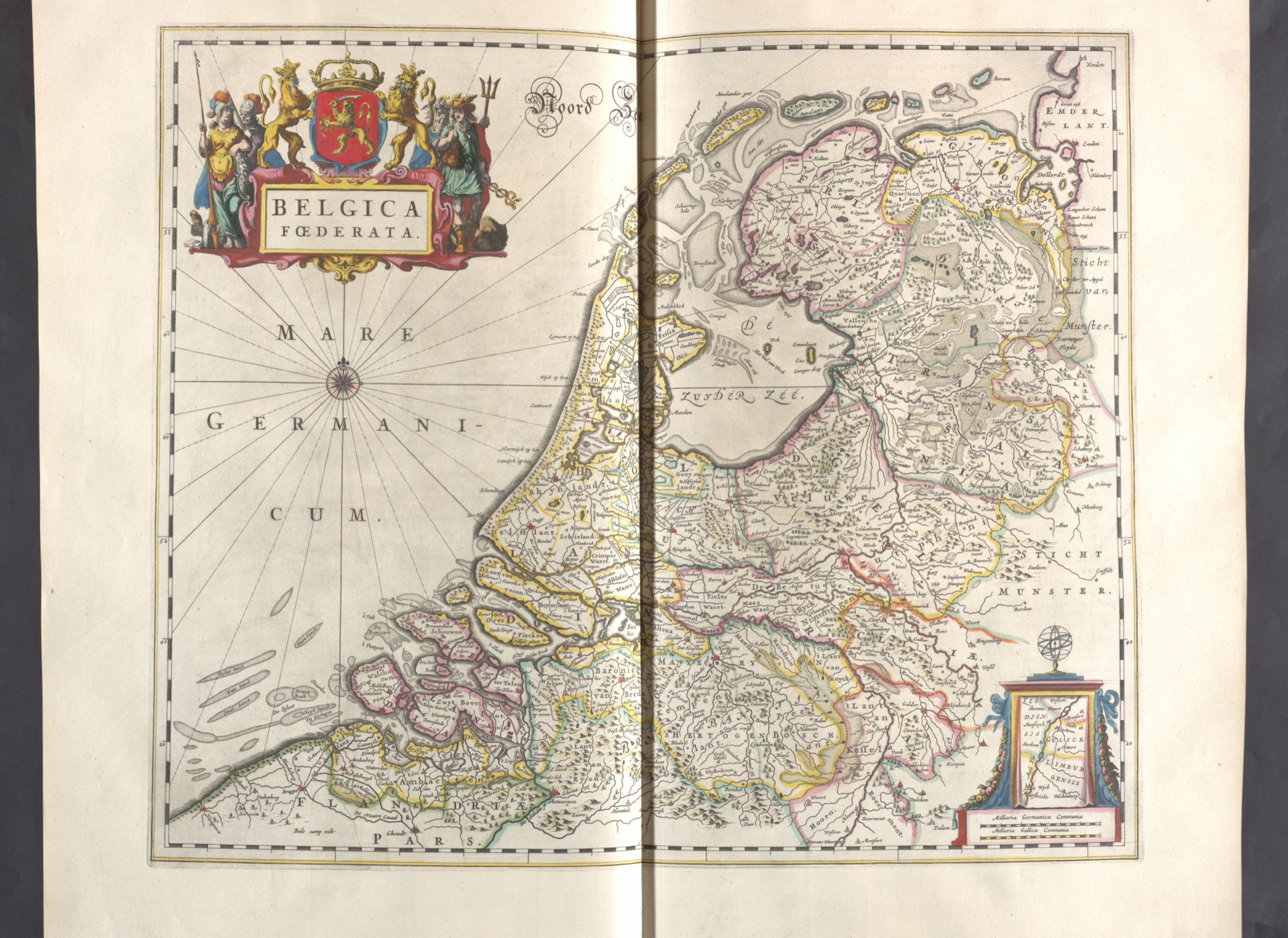
The name is Dutch in origin, common enough in the Netherlands that you can still find it scattered through phone books and shop signs.
The Bijl line in my family came from Friesland — a rural northern province with its own language, Frisian. My grandfather Syd’s father spoke it; Syd himself didn’t. Cows in the country, fishing on the coast. Syd’s mother was a Visser — Dutch for fisher. Both sides of the family came with trade names.
It travelled, as Dutch names did, with the people who carried it. The spelling stayed exactly as it had always been; the sound began to move. Mine ended up in New Zealand.
IIIHow the pronunciation changed
In Dutch, ij is a single vowel sound — one English doesn’t really have. It sits further back in the mouth than English vowels usually go; you can get near it, but you can’t quite land it from English. By the time the name was being said in English it had gone in two directions. Some people say it like bale — the long a of a hay bale. Others say Biel, with the long e of feel. Both pronunciations are in active use.
The spelling is older than the sound. Names in diaspora are like this; they tell you, in their letters, where you were from, and tell you, in the way they’re said, where you ended up.
In this branch the Frisian was already gone by Syd’s generation; his father spoke it, he didn’t. My grandmother says her own pronunciation is ‘very kiwi’ — by her own admission she has no ear for foreign words. Bale is the only pronunciation she has ever known.
IVHow to say it
In my family, Bijl rhymes with bale. (Other Bijls say it like Biel; both are right.) So Reuben Bale is correct. Rueben Bale, with the vowels in the first name swapped — it happens often enough that I’ve more or less stopped correcting it — is also fine. The name is the name. It’s how I answer the phone.
If you want to hear it said:
I’m Reuben Bijl. I live in Christchurch, New Zealand, run a software consultancy and write about life. You can find me at reubenbijl.com.